If dogs could speak, they’d likely tell us one thing—that retirement is equally important to them as it is for us. Especially if they’ve dedicated their lives to working in law enforcement, military, or even private security roles.
In fact, it’s not just important. It would likely have been something they’d be looking forward to if they were able to voice it. Like ours, their health and capabilities declines with age.
Also like us, they need more and more peace and quiet as they get older, even if they don’t really feel like it. These dogs give their all to the job, and when it’s time for them to step down, they deserve nothing less than the very best care and attention.
But shifting from an active, working lifestyle to a more relaxed one isn’t always easy for retired working dogs. The change won’t come of its own, so they need a bit of help to adjust. It takes some understanding, a good dose of patience on our part, and a bit of creativity. After all, they are creatures of routine. So if a particular routine stops being beneficial for them, they’ll need another one to take its place, and that takes time and work.
So, what’s the best way to give a retired working dog the happy life they deserve? We’ll put together a basic, non-exhaustive list of must-dos that are applicable to all dogs. Feel free to expand it based on your new family member’s breed and background!
1. Acknowledge and Respect Their Background
The first thing to keep in mind when adopting a retired working dog is that their training—and most of their habits—are here to stay for as long as their bodies can keep up.
In fact, they’ve been trained for very specific tasks. Be it sniffing out substances, assisting with arrests, or patrolling crowded spaces, they’ve been following strict routines day in and day out, for years. That’s why they might find it hard to settle into a slower, more laid-back pace. Even when they’re off the clock, their natural urge to stay active and busy doesn’t just disappear with a snap of a finger.
In other words, they can’t magically turn into non-working dogs just because you know that they need a break.
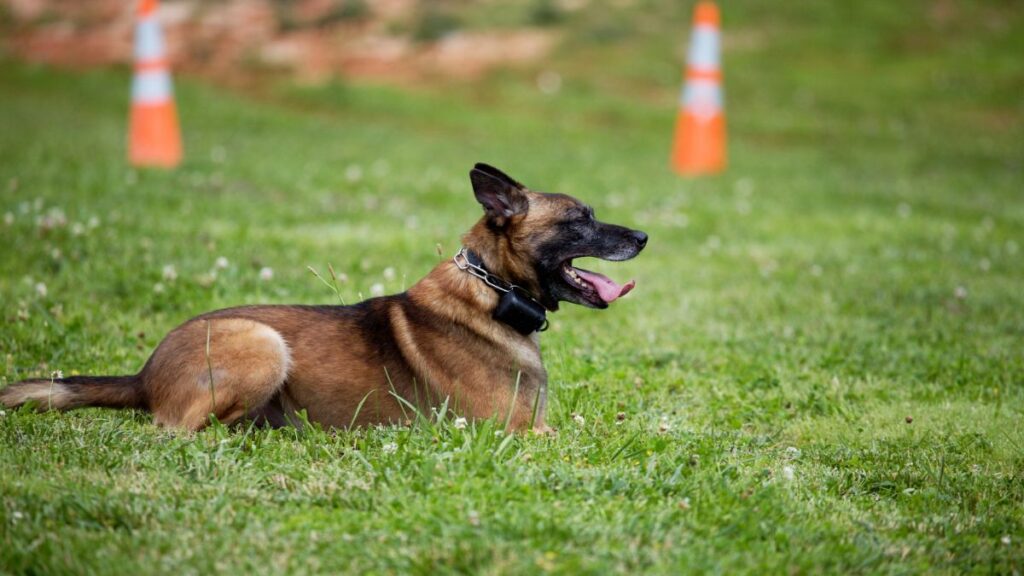
To gain a deeper insight, we talked to several people who have adopted working dogs. One of them, Jai Erlikilyika, a longtime dog lover who makes a living by doing roof repairs on the Central Coast of NSW Australia, gave a home to Max, a retired Malinois who had spent five years as a K-9 police dog. Max’s service career should have lasted at least 6-7 years but was cut short with early symptoms of hip dysplasia. “I’ve owned two Malinois before and hip issues are typical for the breed, really. Max was already a bit weak in his legs when he came to me. But he still had this sense of purpose, expecting in a way to go on the job every day,” Jai recalls. “It’s incredible how orderly his life obviously used to be. What surprised me, however, it wasn’t like he was used to working all the time. But you could see how he was attentive at all times, even when physically idle.”
As you keep your dog’s background in mind, however, it’s equally important to get rid of prejudice. Jai admits to have been equally touched and confused with Max’s affectionate nature. Asking for cuddles and licking your palm isn’t something you’d expect in a big, bad police dog! As it turns out, it’s a common misconception that these dogs only thrive on work. “I met with his ex-handler a couple of times since, and he told me that they commit significant time to socializing the dogs. So yes, petting and cuddling are actually desirable.”
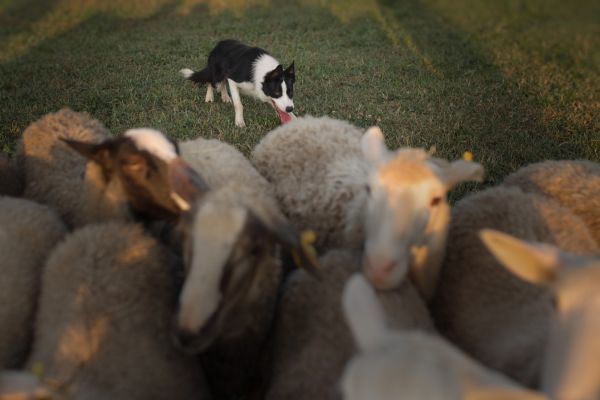
Another person we’ve talked to, who doesn’t wish to be named, has adopted a Border Collie who used to work on a farm. “Luckily, I live in the country. So she has lots of freedom to move around our big yard. Maybe nowhere near as much as she used to, but it’s there all the same. There’s even a gaggle of geese for her to keep an eye on!”
These two accounts go to show that, while retired, working dogs often retain a strong sense of purpose. They need outlets for their habits or energy, but they also need to rest and enjoy their well-earned retirement.
2. Keep Them Active Without Overworking Them
Retired working dogs may no longer be chasing down suspects or tracking missing persons, but that doesn’t mean they want to lounge around all day. Physical activity is crucial, but it’s about finding the right balance. Too little exercise, and they can get restless or anxious. Too much, and you risk joint or muscle issues, especially as they age.
A good rule of thumb is to start slow and see how they respond.
Regular walks, light runs, and even low-impact activities like swimming can help keep their bodies and those big busy minds in shape.
Still, you don’t have a Jack Russell, so it’s not all about running around in circles. You’d do well to consider enrichment activities that mimic some of their working tasks, like scent games. Hide treats or toys around your home or yard, and let them use their nose to find them. It’s fun for them and keeps their sharp skills engaged without overdoing it.
Jai shares one peculiar challenge with Max. “At first, Max had this habit of leaping onto the my truck whenever I’d get my gear ready for work. He was so used to being ready for action that he thought he was coming along for the job. It took some time, but I eventually trained him to wait by the house instead. But you know what? He still has that alertness, like he’s guarding me.”
The nature of his work doesn’t allow Jai to bring Max along. But if yours does, that’s a good idea too. And one that’s chock-full of benefits both for the pooch and the workplace!
3. Adjust Their Diet for Retirement
All of their active lives, working dogs are typically fed a high-protein, high-energy diet to support their physically demanding jobs. But once they retire, they won’t need the same level of calories or protein intake.
Transitioning to a balanced, lower-calorie diet is a good way to manage weight and avoid health issues as they get older. It’s always a smart move to check with your vet to make sure you’re feeding them the right type of food based on their age, breed, and how active they are now.
Keeping an eye on their weight is also important. With retirement often comes a slower pace, and that can sometimes lead to a few extra pounds. The goal is to keep them fit and healthy without overfeeding, so they stay in great shape during their golden years.
4. A Healthy Mix of Routine and Mental Stimulation
We’ve said it already: retired working dogs thrive on routine. Without the structure they’re used to, they can sometimes become bored or even a bit down. To help them adjust, it’s helpful to keep a consistent schedule but with a bit more room for rest.
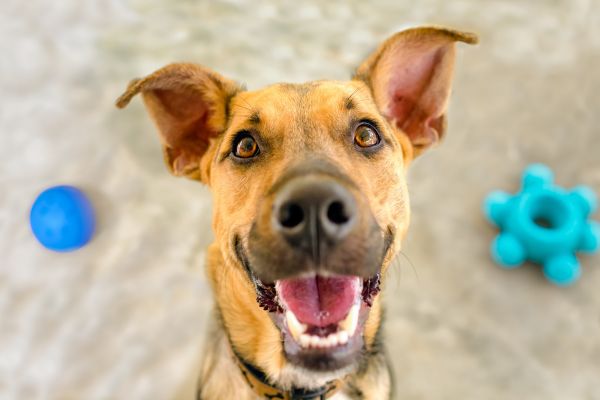
Set regular times for meals, walks, and other activities, and try to stick to them. Puzzle toys or treat-dispensing games can also be great for keeping their minds busy. These activities mimic the problem-solving they did in their working days, keeping them mentally sharp and engaged, even as they settle into retirement.
Jai found this to be a lifesaver with Max. “It wasn’t enough just to give him physical exercise,” he says. “I had to challenge him mentally too. We play these games where I’ll hide treats around the yard, and he has to sniff them out. It gives him a job, you know? He needs that purpose.”
5. Regular Vet Checkups Are Non-Negotiable
Retirement doesn’t mean your dog is done working, and it certainly doesn’t mean they’re done seeing the vet. In fact, regular checkups are even more important as your dog ages. Senior dogs often face a variety of health issues, from arthritis to dental problems, and the sooner these are addressed, the better.
It’s also worth noting that working dogs may have picked up injuries or wear and tear during their careers that could flare up later in life. Routine vet visits can help catch these issues early, giving your dog a better quality of life in retirement.
6. Love and Patience Above All Else
Caring for a retired working dog is not just about managing their physical and mental needs—it’s about giving them the love, patience, and understanding they deserve after years of service. These dogs often form deep bonds with their handlers, and transitioning to a new home can be a big change for them. Be prepared for a bit of an adjustment period.
Jai sums it up best when he talks about Max’s journey from a K-9 officer to a couch potato. “He’s a bit rough around the edges, but he’s loyal as ever. It took time for both of us to figure out this new life. But once you see them happy, you know it’s all worth it.”
Conclusion
Adopting a retired working dog comes with its own set of challenges, but the rewards are immense. These dogs have given their best years to serve others, and in return, they deserve to spend their golden years in comfort, surrounded by love and care. With the right balance of activity, mental stimulation, and attention to their health, you can give your retired working dog the life they truly deserve.
So, if you’re considering adopting one of these amazing dogs, get ready for a loyal companion who will appreciate every moment of their retirement—and every bit of effort you put into making it special.