Dogs have been long-time companions to humans, and their roles have expanded far beyond just being pets. From therapy dogs to search-and-rescue units, they offer a unique skill-set that goes beyond wagging your worries away. On job sites—especially those outdoors or in nature—their presence can be a game changer, boosting morale and even contributing to safety measures.
But bringing dogs into a work environment isn’t just joy and laughter. So how do you keep both the dogs and workers safe while making sure the experience remains positive for everyone involved?
Why You’d Want to Bring a Dog Along
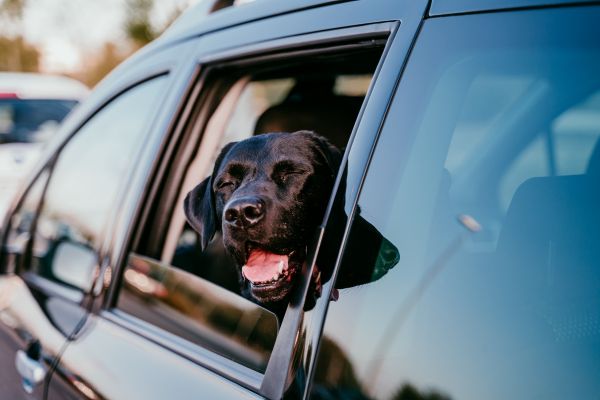
Whether it’s a construction area, an arborist’s workspace, or a landscaping project, these environments can be stressful and physically demanding. Dogs have a natural way of easing tension, creating a sense of calm, and lifting spirits. For teams that spend long hours working outside, having a friendly face (or wagging tail) to greet them can make a real difference.
But it’s not just about benefits for us. Sometimes, this kind of engagement can make a welcome change for the dog too, especially now that they are no longer on duty.
George Pennisi, an arborist who makes a living doing tree trimming in Brisbane, knows this well. He adopted a labrador named Bobo, who used to work as an occupational therapy dog with children. “Bobo’s got this way about him—no matter how tough the job gets, he’s there wagging his tail, and it’s like everything’s a bit brighter,” Pennisi shares. “I spend a lot of time in nature with my kids, and I can see how much Bobo enjoys being part of that. He’s just as happy tagging along while we work.”
It’s all the more endearing when you know that the main aspect of Bobo’s former job had to do with emotional intelligence and supporting the vulnerable. That there’s so much personality and generosity left in him after such long and pervasive commitment is touching. “Of course my preschoolers are his absolute favorites, and he made it his mission to take an active part in their upbringing. Still, I have a feeling he had really missed nature and random doggily foraging! It’s like he’s now getting to vent out and finally do things he had wanted to but that had to be neglected for so long.”
Safety Comes First
Of course, safety is a top priority when dogs are on the job. Job sites are often busy places with heavy machinery, sharp tools, and other potential hazards. While having a dog can boost morale, it’s essential to keep them (and the workers) safe. So how can you protect your unassuming yet overtly eager furry co-worker?
One key tip is setting boundaries. Create a designated safe zone where the dog can relax and stay out of harm’s way. This space should be far from any equipment or areas with active work going on. It can be as simple as a shaded spot with a bed and fresh water, giving the dog a comfortable place to hang out while the team works. Or a fenced part of the backyard, which is what Pennisi does when the circumstances allow.
Another crucial step is using the basic commands like “stay” and “come,” which any working dog will have mastered long ago. This way, they can be called back to their safe spot if things get too busy or if a dangerous situation arises. For example, if machinery needs to move through the site, the dog should be trained to return to their designated area.
Not Every Site is Right for Dogs
Think about the level of activity and the potential hazards before bringing a dog on board. Some sites with a lot of heavy traffic or high-risk tasks may not be the best fit. In these cases, consider whether there are quieter periods when a dog might be able to join the crew safely.
It’s also important to consider the type of dog. Larger breeds might find it easier to navigate a busy site, while smaller dogs could get overwhelmed or injured more easily.
Of course, the dog’s temperament matters too. Some dogs thrive in bustling environments and love being around people, while others might be more anxious in such situations.
Pennisi mentions how Bobo’s background as a therapy dog made him a perfect fit for their work environment. “He’s used to being around a lot of people and knows how to stay calm even when there’s noise or activity. That training really helps out here—he’ll sit quietly until it’s time to explore again, and he’s got this natural awareness of when to stay out of the way.”
It’s Not Just the Dog. Your Team Needs Training Too
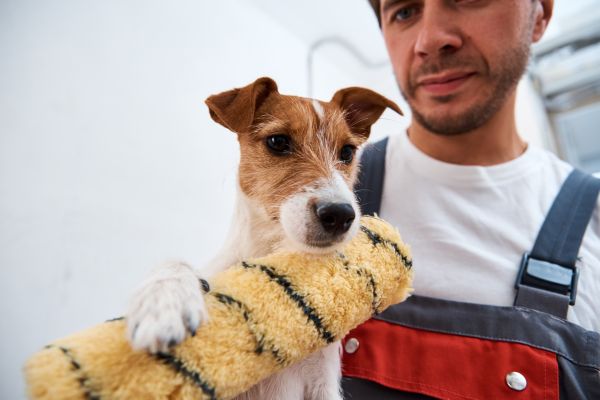
Bringing a dog into the workspace isn’t just about training the dog. It’s also about making sure the team knows how to interact with them safely.
Educate workers on basic dog behavior and signals—like when a dog is feeling stressed or needs space. This can help prevent accidents and ensure that everyone, including the dog, is comfortable.
Set ground rules for engagement. For instance, workers should know not to feed the dog from the job site, as it could encourage bad habits or lead to health issues. And while petting and playtime are great for boosting morale, it’s important to do it in a way that doesn’t distract anybody from the work at hand.
Enter a Treat (or Two)? Here’s Why Not.
Remember, job sites can be unpredictable, and the experience should remain positive for the dog. Pay attention to their comfort levels—if they seem uneasy or overwhelmed, it might be time for a break. Also, make sure they have all the essentials, like water, food, and a shady spot to rest.
Dogs that come from working backgrounds may still have the drive to stay active, so giving them tasks that engage their minds can help them feel involved. Simple fetch games during breaks or even training exercises can be great ways to keep them stimulated without putting them in harm’s way.
Pennisi sometimes brings his kids along to the job site, and they love spending time with Bobo when he’s not working. “It’s become a bit of a family thing—Bobo gets his time with the kids, and they all enjoy the outdoors together. It’s the best of both worlds.”
But contrary to what you may expect, we don’t actually advise treats. The role of treats is to positively reinforce a behavior. In this case, let the dog gauge and feel out their own enjoyment (or lack thereof) at the site. If there isn’t enough of it, the dog should feel free to stay at home.